Charleston Food & Wine Festival Experience
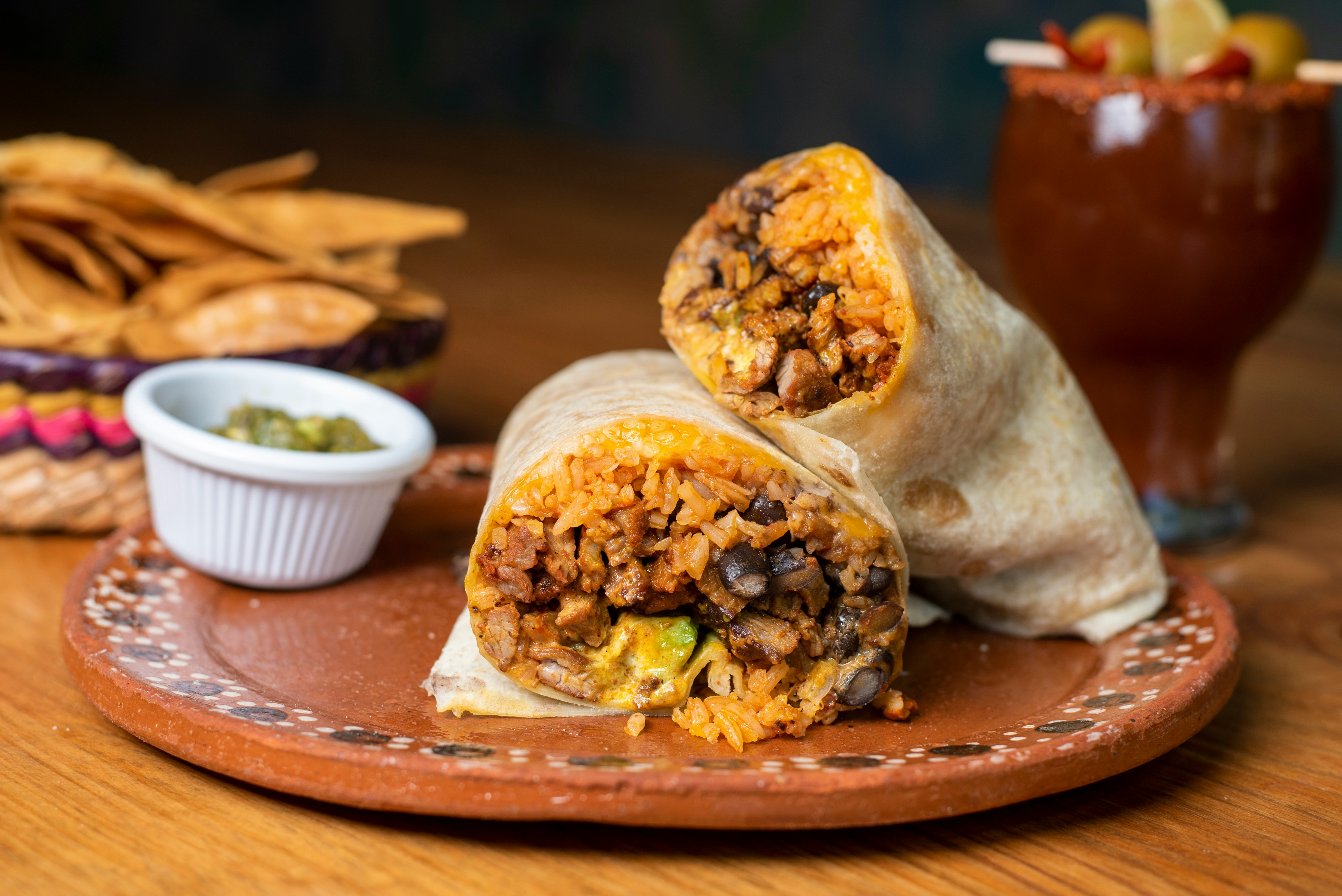
Culinary Excellence
Experience Charleston's finest cuisines as local chefs and food artisans showcase their signature dishes and innovative creations.
Wine & Beverage Tastings
Discover exceptional wines, craft cocktails, and artisanal beverages paired perfectly with gourmet food selections.
Community Celebration
Connect with producers, chefs, and fellow food enthusiasts in a vibrant celebration of Charleston's culinary heritage.
Charleston's food and wine festival creates an extraordinary experience that awakens the palate and ignites passion for exceptional cuisine. This highly anticipated annual event connects food producers directly with eager consumers, creating a shared celebration of diverse culinary traditions and gastronomic innovation.
Environmental Responsibility at Outdoor Events
Outdoor culinary festivals generate various recyclable materials including glass containers, aluminum cans, plastics, and cardboard packaging. Implementing comprehensive recycling programs allows these biodegradable and reusable materials to be properly processed and transformed into new products.
Environmental stewardship plays a crucial role in modern festival planning. By providing accessible recycling stations throughout the event space, organizers demonstrate their commitment to sustainability while educating attendees about eco-friendly practices. This forward-thinking approach conserves natural resources, reduces energy consumption, and sends a powerful message about environmental responsibility to the community.

Understanding Food's Essential Role
Nutrition forms one of humanity's three fundamental requirements alongside housing and clothing. The food we consume delivers vital nutrients that fuel our bodies, including carbohydrates for energy, proteins for growth, minerals for bodily functions, vitamins for health, and fiber for digestion. These nutrients come from both plant and animal sources, each offering unique benefits essential for human survival and wellbeing.
Plant-Based Nutrition
Agricultural products provide substantial nutrition through various forms. Whole grains such as wheat, corn, rice, and millet serve as dietary staples across cultures worldwide. Plant seeds contain concentrated nutrients including omega fatty acids, iron, and fiber that support optimal health.
Beyond direct consumption, certain seeds serve dual purposes. Sunflower, flax, sesame, mustard, and castor seeds undergo processing for oil extraction, creating versatile cooking ingredients. Tree nuts including walnuts, cashews, almonds, and chestnuts deliver heart-healthy proteins and beneficial fats that support cardiovascular and metabolic health.
Fresh produce represents another vital category of plant nutrition. Medical professionals consistently recommend consuming multiple colorful vegetables daily, as different pigments indicate varied mineral and vitamin content. These nutrients strengthen immunity and enhance overall physical resilience.
Fruits hold universal appeal across all living species and human cultures. They appear in numerous contexts: as welcoming gifts, feast desserts, health remedies, and breakfast staples. Fruit juices frequently serve as the preferred beverage for breaking fasts. The time-honored wisdom that "an apple daily maintains wellness" has endured through generations because of proven health benefits. Even less common plant parts like roots, stems, and leaves provide nutritional value in various culinary traditions.

Animal-Derived Foods
Animal products contribute significantly to human nutrition through both direct and indirect sources. Meat provides protein-rich sustenance derived from animal flesh. Dairy products, safe for consumption from infancy through old age, include milk along with derivative products such as butter, cheese, and cream.
Eggs and honey represent additional animal-sourced nutrients. Seafood offers omega-3 fatty acids with medicinal properties unmatched by plant alternatives. Fish oil supplements address specific nutritional needs that cannot be met through vegetarian diets alone.
Various individuals abstain from animal products for ethical, cultural, health, or ideological motivations, demonstrating the diversity of dietary approaches worldwide.
Cultural Significance of Food Festivals
Agricultural production forms the foundation of our food supply system. Culinary festivals promote self-sufficiency, organic farming awareness, and exposure to diverse dietary traditions. These events stimulate taste perception across all flavor profiles: sweetness, sourness, saltiness, bitterness, and spiciness.
Food festivals offer unparalleled opportunities to sample multiple cuisines in a single experience. As scholars have noted, culinary traditions represent "the final element of cultural identity to fade," making food a powerful symbol of regional heritage and ethnic identity.
Food serves as the centerpiece for gatherings marking both joyful and somber occasions in family life. Different cultures develop unique preparation methods, cooking techniques, and serving traditions specific to various celebrations. The transmission of recipes, spice combinations, and flavor profiles from one generation to the next preserves cultural identity and strengthens community bonds.
In an era dominated by nutritional supplements and processed foods, culinary festivals provide valuable opportunities to experience whole foods in innovative preparations. These events reveal unfamiliar ingredients and cooking methods while fostering appreciation for regional food traditions and their health benefits.
Community Unity Through Culinary Celebration
Food festivals function as cultural gatherings that unite diverse communities in expressing gratitude for abundant harvests and agricultural prosperity. Beyond satisfying appetites, these events strengthen social networks, celebrate biodiversity, and rally communities around shared values.
Presentation quality significantly impacts culinary appeal. Artfully garnished dishes attract visual attention and encourage tasting. Texture considerations further enhance the eating experience, making festivals ideal venues for culinary experimentation and sensory exploration.
These celebrations promote more than just taste and appearance. They showcase food preservation techniques, cooking methodologies, specialized tools, nutritional awareness, and cultural food customs. Furthermore, food festivals champion culinary arts as a valuable cultural practice deserving preservation in our increasingly modern world.
Local Business Supporters
The Charleston Wine and Food Festival proudly supports and showcases local businesses that make our culinary community thrive. These establishments contribute to the vibrant food and beverage scene that defines Charleston.
Restaurants & Eateries
- Husk Restaurant - Farm-to-table Southern cuisine
- FIG - Seasonal Lowcountry ingredients
- The Ordinary - Seafood hall and oyster bar
- Hall's Chophouse - Premium steaks and hospitality
- 167 Raw - Oyster bar and seafood
- Sweet Palm Coffee - Cafe and Bakery
- Leon's Oyster Shop - Casual Southern fare
- Peninsula Grill - Fine dining and award-winning desserts
- The Macintosh - Contemporary American cuisine
Vineyards & Wineries
- Charleston Wine Company - Local wine retailer and distributor
- Deep Water Vineyard - Johns Island winery
- Irvin-House Vineyards - Wadmalaw Island wines
- Firefly Distillery - Local spirits and sweet tea vodka
- Charleston Tea Garden - American tea plantation
Craft Breweries
- Holy City Brewing - Park Circle craft brewery
- Westbrook Brewing Company - Mount Pleasant taproom
- Palmetto Brewing - Historic Charleston brewery
- Revelry Brewing Co. - Downtown Charleston
- Edmund's Oast Brewing Co. - Restaurant and brewery
Specialty Food Producers
- Callie's Hot Little Biscuit - Artisan biscuits and preserves
- Charleston Gourmet Burger Company - Specialty burgers
- Butcher & Bee - Middle Eastern inspired cafe
- Brown's Court Bakery - Artisan breads and pastries
- Caviar & Bananas - Gourmet market and cafe
- Mercantile and Mash - Provisions and spirits
Hospitality Partners
- Charleston Place Hotel - Luxury accommodations
- Charleston bachelorette activities recommendations
- The Vendue - Boutique art hotel
- Zero George Street - Historic hotel and restaurant
- The Spectator Hotel - Downtown luxury
- Sweet Palm Events - Large Takout Catering
- Bachelorette PartayBachelorette Partay
These businesses represent Charleston's excellence. By participating in our festival, they help showcase the innovation, quality, and Southern hospitality that make party Charleston a for food and fun.